
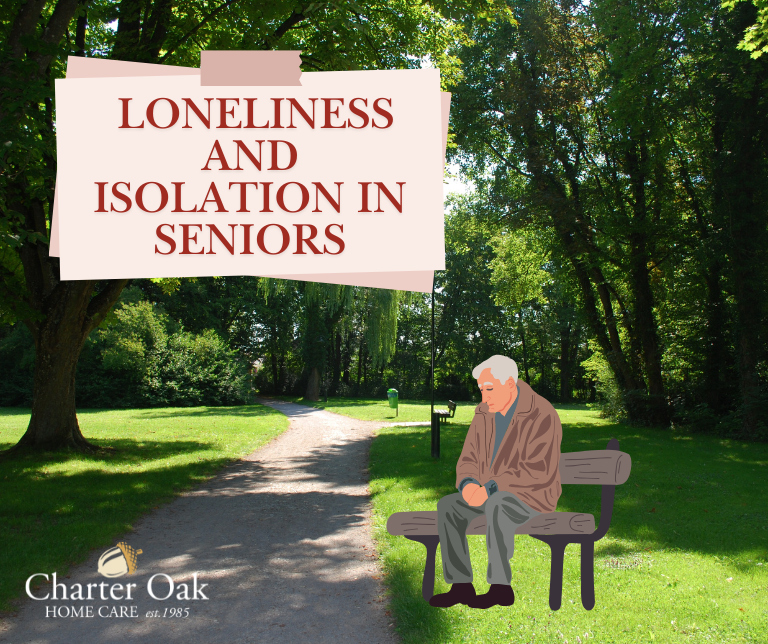
Loneliness and Isolation in Seniors
Loneliness and isolation are increasingly becoming an issue for seniors worldwide. As people age, they often face challenges that can lead to feelings of loneliness and disconnection. While these issues are often considered part of the natural aging process, they are far from harmless and can have serious physical and mental health consequences. Understanding how to support a loved one who may be experiencing loneliness and isolation is vital for overall wellbeing.
Addressing the Problem of Loneliness
While the challenges of loneliness and isolation for seniors are complex, there are steps that can be taken to help mitigate the problem. Community involvement is one of the most effective ways to prevent isolation. Encouraging seniors to participate in local activities, such as exercising, book clubs, or senior centers, can provide them with much-needed social interaction. These activities can give seniors a sense of belonging and purpose.
Technology has evolved as a valuable tool for combating loneliness. Platforms such as video calls, social media, and messaging apps can help seniors stay connected with loved ones. For those who are less familiar with technology, offering support can help bridge the digital divide.
The Impact of Gratitude and Physical Touch
Gratitude and physical touch are two powerful tools that can significantly improve mental health. Studies show that regularly acknowledging what we’re thankful for can enhance well-being, bring down your blood pressure, and bring down your heart rate to help with overall relaxation. Similarly, physical touch, such as hugs or handshakes, triggers the release of oxytocin, which lowers anxiety and promotes feelings of security and happiness. Altogether, gratitude and physical touch can create a supportive cycle, boosting mood, fostering connection, and helping to manage mental health challenges.
At Charter Oak Home Care we know loneliness and isolation are challenges that many seniors face, but they are not insurmountable. By fostering community connections, embracing technology, and providing emotional support, we can help older adults maintain meaningful relationships and improve their quality of life. It’s essential for society to recognize the significance of this issue and come together in support. After all, a connected community is a stronger, healthier community for everyone—regardless of age.